Three answers, one video
Once a flue fire is out and the chimney has been filmed, the report on a masonry stack tends to end in one of three places: a repair, a new liner, or rebuilding part of the chimney. Owners in Paramount and the cities around it ask us to compare them, because the gap in cost between them is wide and the right choice is rarely obvious from the yard.
This comparison is for an owner who already has a camera report, or is about to book one. Without the video, any choice between these jobs is a guess.
What each job actually fixes
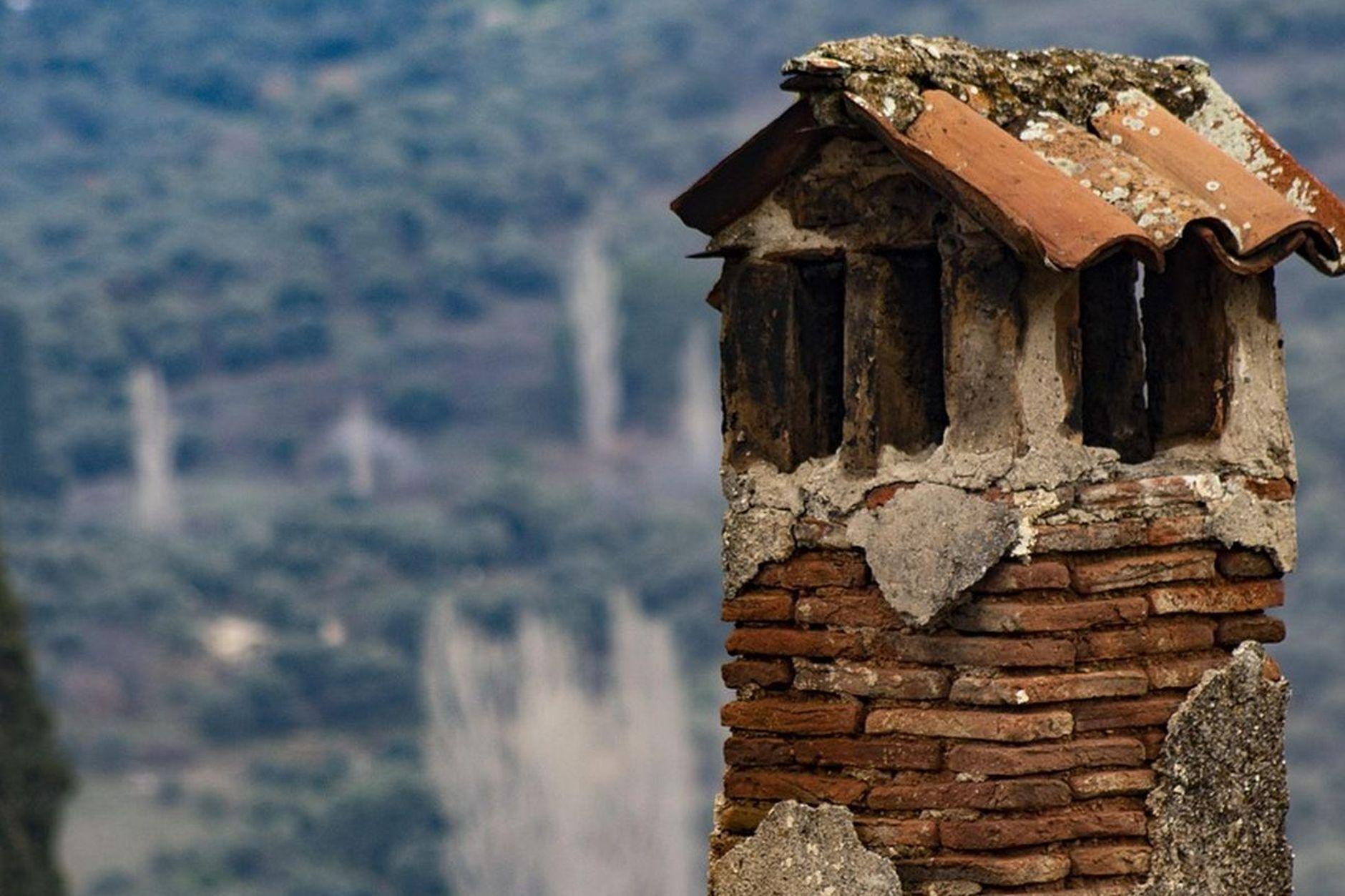
Repair handles damage within reach: a cracked crown, joints that opened near the top, a handful of spalled bricks, a damper plate that bent in the heat. The structure of the chimney stays as it is.
Relining handles the inside. A flue fire splits clay tiles and pushes joints apart, and smoke and heat then escape into the masonry around them. A new liner, usually stainless steel, runs inside the old flue and connects at both ends, so the old tile no longer has to carry the exhaust.
Rebuilding handles the structure. When the brick itself is loose, cracked right through, or the top of the stack has shifted, a liner cannot help. The damaged courses come down and new brick goes up with a new crown.
Side by side
| Question | Repair | New liner | Partial or full rebuild |
|---|---|---|---|
| What failed | Crown, joints, top brick | Flue tile | Brick and mortar structure |
| Fireplace usable while waiting | No | No | No |
| Fixed figure on our list | No | No | No |
| Usual trigger in the report | Cracks within reach | Split or shifted tile on video | Loose courses, cracks through the stack |
None of the three carries a set figure on our list, and that is deliberate. A liner for a short single-flue stack and a liner for a tall stack with two flues are different jobs, and a rebuild depends on how many courses come down. Every number we give on them is written line by line from the video and from measuring the chimney.
Why fire damage tips the balance
A chimney that has burned inside usually needs more than one of these. One common pattern: tile split along most of its height, a crown cracked at the corners by heat, and a cap screen burned through. That house needs a liner, a crown repair and a cap. It does not need a rebuild.
Another pattern points the other way. If the top courses were already soft from years of rain, and the fire opened them further, lining a chimney whose top is coming apart wastes the liner. The rebuild goes first, then the liner runs up through the new brick.
And sometimes the tile and brick are both fine and only the cap and damper suffered. That is a repair, and it is the outcome we are glad to write down.
What decides between them
Three readings from the inspection settle the job:
1. How much of the flue length shows split or shifted tile on the video. 2. Whether the brick above the roofline is sound to the hand and the eye. 3. Whether the attic shows scorch marks on the wood beside the chimney.
If you already hold a report, from us or from another company, use the quote form to tell us in a few lines which of those three it mentions. We will say which job it points to and arrange a visit to measure for the written figure.
Cost drivers you can see from the ground
- Height of the stack. More height means more liner, more brick and more time on the roof.
- How many flues. Some chimneys carry a second flue for a furnace or water heater, and each flue needs its own answer.
- Access. A steep roof, or a stack hard against a fence line, takes longer to work.
- What burns there next. A gas insert needs a liner sized for it; an open wood fireplace needs a different size.
What does not change the answer
The age of the house on its own does not decide the job. Plenty of older chimneys come through a fire with sound brick, and some newer ones do not. How the chimney looks from the street says little either; the brick above the roof can look tidy while the tile inside is split from top to bottom. And the cost of the fireplace finish inside the room has no bearing on what the flue needs. The video and the hand test on the roof are what count.
Where an insert fits
Some owners use the fire as the moment to stop burning wood. A sealed gas heater set into the firebox you already have, with its own liner to the top, costs $2,700 to $5,450 fitted by Cory Chimney Services. It still needs the camera visit first, and the chimney still has to be sound enough to carry the liner. Our fireplace inserts page covers that visit.
The order of the work
When more than one job is needed, the structure sets the order: rebuild first if the top is loose, then the crown, then the liner, then the cap. Work that touches the roof comes last so the flashing is set only once. The written quote lists the jobs in that order with a figure beside each line, so nothing surprises you half way through.
Getting the comparison for your own chimney
The answer for your house sits in the video, not in a rule of thumb. Our Level 2 inspection is $380 and gives you the footage, the findings and a written recommendation of repair, liner or rebuild. We cover Paramount, Lynwood, Norwalk, Carson and the cities nearby.
Write to us from the contact page and we will set up the camera visit that settles which of the three your chimney needs.
Wondering What Your Own Chimney Went Through?
Cory Chimney crews run a camera up the flue, label each photo with where it was taken and tell you in writing whether the fireplace can be used. We set out from Paramount for Lynwood, Norwalk, Carson and the other towns on our map.